Echoes in Cedar: Inside Kyoto's Wooden Architecture
How master joiners without a single metallic nail craft buildings that breathe with monsoon seasons and cradle contemplative minds.
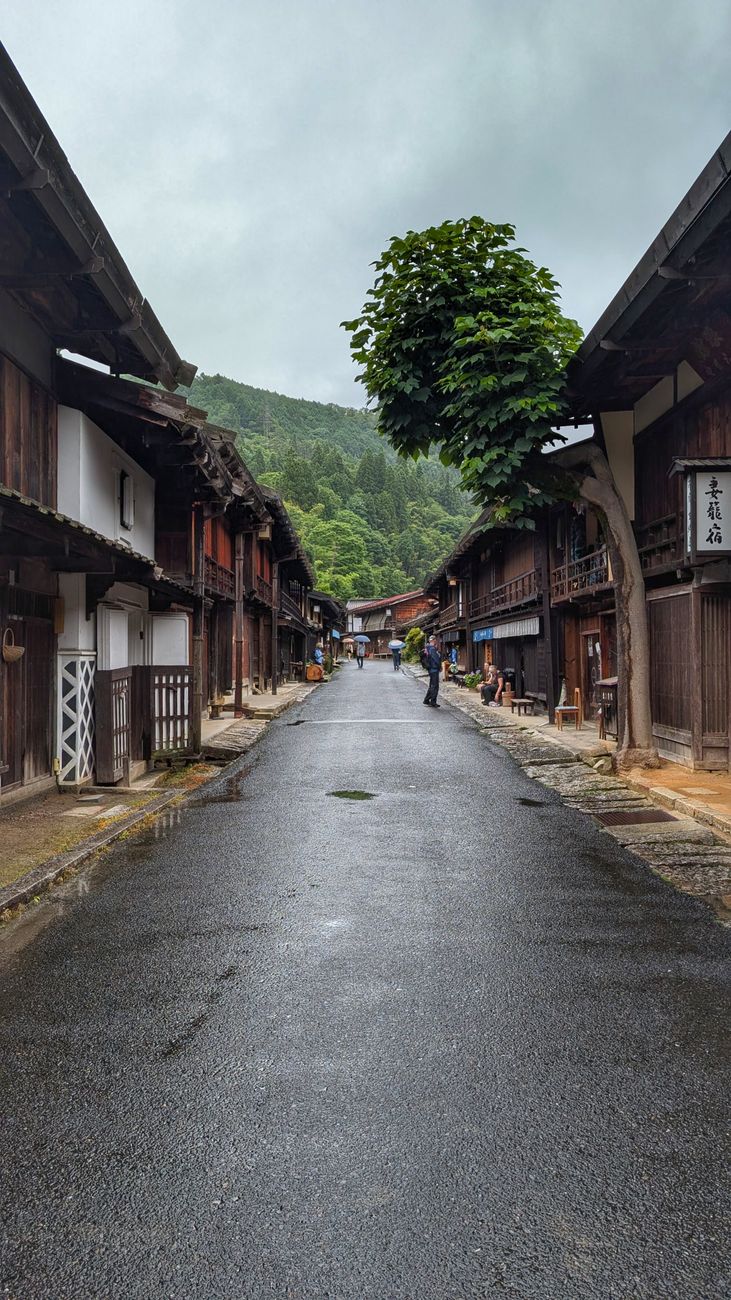
Table of Contents
In the northern outskirts of Kyoto along the Takano river, morning arrives as a quiet shift in light rather than an abrupt clamor. Within a three-hundred-year-old machiya townhouse, rain lands on cedar shingles, dispersing a faint aromatic fragrance of pine resin and wet clay.
1. The Anatomy of Hinoki and Sugi Wood
Japanese joinery, or kigumi, relies completely on tension, interlocking mortise-and-tenon joints, and the seasonal movement of raw timber. When the winter air turns crisp, the wood shrinks slightly, allowing gentle ventilation; when summer monsoons bring dampness, the fibers swell, tightening the joinery and repelling the elements without synthetic seals.
“A building made of unpainted wood is not an inert monument, but an organism continuing its relationship with sunlight, humidity, and the breath of inhabitants.”
2. Filtered Light: Shoji Screens and Washi
Western luxury often emphasizes high ceilings and immense sheets of glare-heavy plate glass. In Kyoto, comfort is discovered in calibrated darkness. As Junichiro Tanizaki observed, Japanese architecture draws beauty out of shadows: paper-screened shoji partitions soften sharp sunlight into a tranquil pearl luminescence that relaxes fatigued vision.
3. Acoustic Sanctuary in the Historic Gion Backstreets
Stepping from the bustling streets of contemporary Kyoto into an inner courtyard garden (tsuboniwa) produces an immediate physical sensation of pressure dropping from one’s temples. The sound of bamboo water droppers striking granite stones creates a natural acoustic buffer against metropolitan distractions.
4. Selecting Preserved Machiya Accommodations
When booking a sanctuary in Kyoto, seek certified heritage restorations where owners have retained original exposed beams while discreetly introducing geothermal radiant floor heating beneath natural rush tatami mats. Avoid corporate hotel conversions where structural wood has been stripped and covered with fireproof synthetic wallpaper.
Planning an extended stay in Japan?
We assist clients with private ryokan and machiya reservations with personal tea masters and carpenters.
Connect with Japan Advisory